
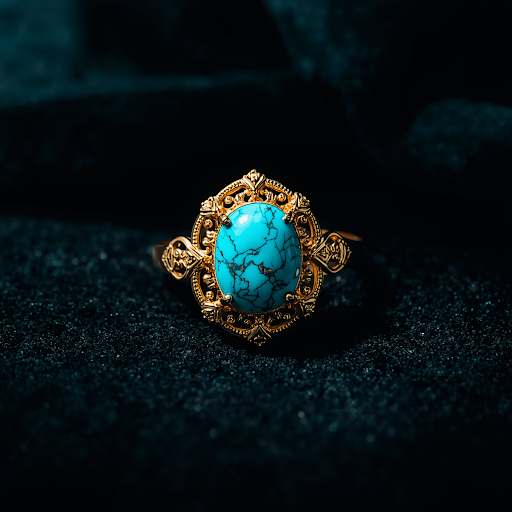
We all adore turquoise gemstone for its blue-green color. You can find this gemstone easily today. But one thing to take care of is getting the natural one. Many buyers often think about buy real turquoise stones online. It all starts with the right seller and having some information about turquoise. In this blog, we’ll share some tips on choosing the authentic turquoise stone.
Table of Contents
What Makes Turquoise Special
Turquoise is a hydrated phosphate of copper and aluminum. It forms in fractured rocks over millions of years. This stone absorbs iron for green hues and copper for blue hues. Turquoise symbolizes protection, wisdom, and prosperity. It was also used in King Tut’s burial mask and Navajo silverwork. This gemstone is believed to keep the negativity away and bring good fortune.
Today, its opacity and waxy luster make it ideal for cabochons, beads, and carvings, unlike transparent gems like sapphire. Because of such reasons, so many people buy this gemstone. The purpose might differ, but the love for turquoise remains the same.
The rarity of turquoise comes from depleting mines. To meet the market demand, some sellers often sell treated or synthetic turquoise variants. They might seem like a natural stone, but lack the charm of one.
Types of Turquoise
Turquoise varies by treatment and form, impacting price and durability.
- Natural Untreated: It’s a natural turquoise which comes pure from the mind. It has host rock veins or matrix in black spiderweb pattern or brown chocolate. This variety is rarest and priciest, as it develops a patina over time.
- Stabilized: This kind of turquoise is treated with resin for hardness. It’s common in jewelry as raw stone crumbles easily. However, top sellers also disclose such treatments.
- Reconstituted (Block): It’s a crushed turquoise dust pressed with dye and plastic. It has a uniform color across the stone and is considered fake.
- Enhanced/Dyed: This turquoise variant is surface-treated for vibrancy, but fades. Real enhancements preserve webbing patterns.
- Synthetic/Imitation: Howlite or magnesite are dyed blue to look like a turquoise. It’s cheap but lacks density. You can test by scratching (real turquoise won’t mark glass easily).
Choose natural turquoise for heirlooms and stabilized for daily wear. There are many sellers such as Gemstones for Sale that offer different turquoise varieties. It helps you choose based on your budget and purpose.
Quality Factors to Evaluate
Premium turquoise shines in four pillars: color, matrix, texture, and size.
Color: Sky-blue is king (Persian ideal), but apple-green from iron is equally prized. Avoid chalky pastels or overly neon dyes. A genuine turquoise stone has subtle robin’s egg to deep teal color.
Matrix: The “spiderweb” of copper veins adds character and authenticity. Dense, even patterns signal quality; sparse or painted ones don’t.
Texture and Hardness: Waxy, smooth polish without cracks. Porosity varies as denser stones (Nevada types) resist fading better than porous Chinese ones.
Size and Shape: Larger cabochons (over 1 inch) command premiums. The other shapes include ovals, rounds, and freefoams. These are ideal for jewelry.
Famous Turquoise Mines
Origin dictates value. That’s because provenance papers boost resale.
For example, the Kingman turquoise from Arizona, USA is famous for its eclectic blue color with black matrix. It’s abundant but high-grade scarce. On the other hand, there is Sleeping Beauty turquoise from Arizona. It’s famous for its smooth, sky-blue color with chocolate-hued matrix. Another famous variety comes from Tibet, having a smoky green color with butter matrix. It’s suitable for boho jewelry. Besides that, there’s Nevada turquoise, which is a collector-favorite, and is often bought for investment purposes.
When you’re buying a gemstone, always look at its origin. It tells you where the stone has come from. This information is helpful when you assess the price of the gemstone. It also prevents you from falling into scams.
How to Spot Fakes and Treatments
The market is full of fake turquoise stones. You can also spot cheap varieties which are nothing but imitations of turquoise stones. Here are a few key tests that can help you identify the natural ones.
- Visual: Real shows uneven webbing, not uniform dye. Magnify for plastic bubbles in blocks.
- Scratch Test: Real scratches glass slightly; howlite doesn’t.
- Hot Needle: Press gently as real smokes/smells earthy; plastic melts.
- UV Light: Natural glows red/orange; dyed fluoresces blue.
- Weight/Density: Heavier than lookalikes; drop in water (real sinks fast).
- Certifications: Demand GIA, AGL, or IGS lab reports verifying natural/stabilized status.
Authentication and Certifications
Labs provide gold-standard verification such as:
- GIA: Color origin reports.
- AGL (American Gemological Labs): Treatment disclosure.
- IGS (India): Affordable for Vedic buyers.
You can request these certifications from the sellers. Genuine platforms generally provide them. It helps you know what you’re exactly buying.
Styling and Jewelry Tips
Pair turquoise with silver for Navajo vibes or gold for modern luxe. Here are a few outfit ideas:
- Boho: Oversized Navajo rings.
- Minimal: Faceted beads necklace.
- Statement: Multi-strand Persian chips.
Conclusion
When buying turquoise, look at its color and matrix. When making an online purchase, ensure to pick a reliable seller and read all the information carefully. A little awareness is all you need to make the right choice.